

How Leaderboards and Multiplayer Features Make Gaming More Competitive and Fun
Leaderboards and multiplayer features transform passive play into active social competition by introducing visible progress, peer comparison, and real-time interaction. These mechanics shift the focus from solitary completion to shared achievement, creating a dynamic environment where every session feels like a challenge against others. Million Minigames leverages these social dynamics to keep its community engaged, ensuring that the thrill of competition remains central to the experience.
The Psychology of Visible Progress
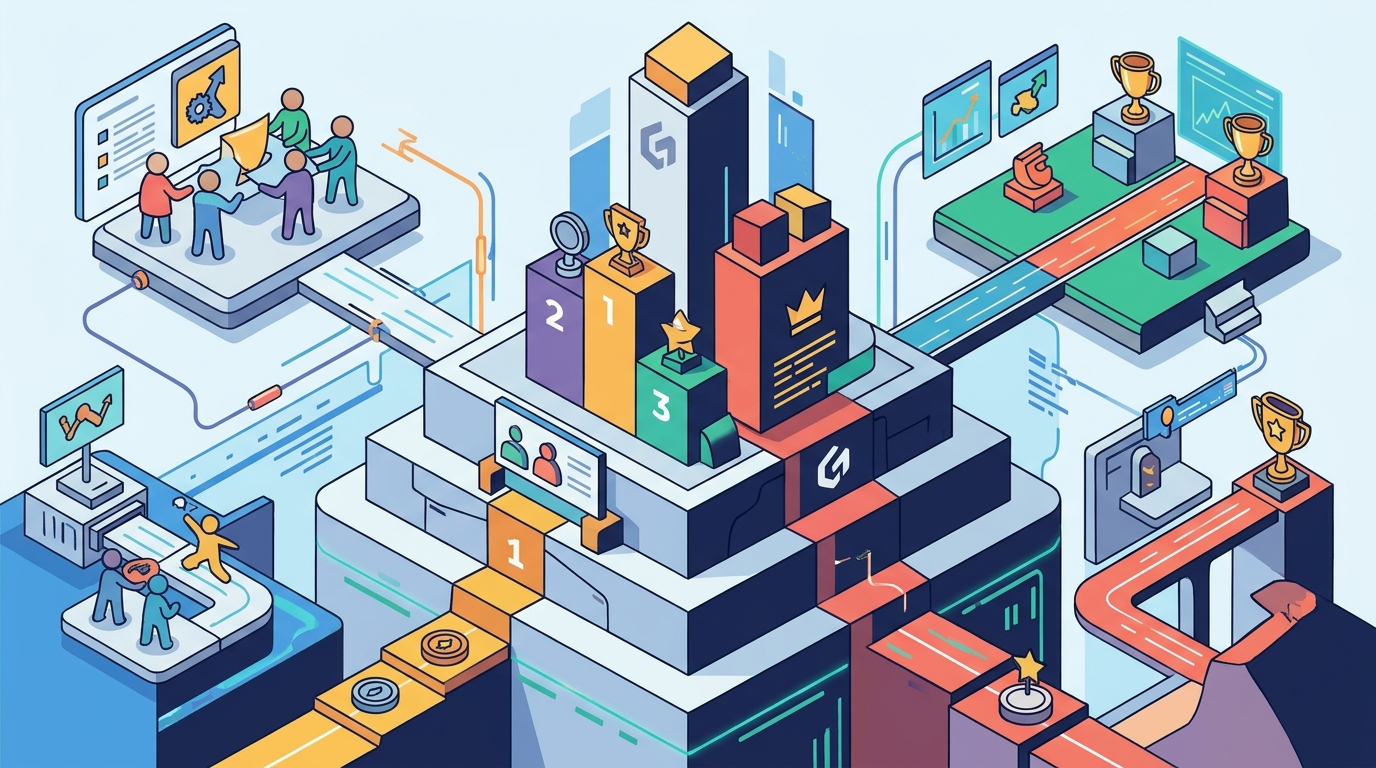
Leaderboards function as a persistent visual representation of skill and effort. A leaderboard is a ranked list of players based on specific performance metrics, such as score, speed, or accuracy. When players can see their position relative to others, it triggers a psychological drive to improve. This visibility turns abstract goals into concrete targets. For instance, seeing a rival just ten points ahead creates an immediate motivation to close the gap. This sense of proximity fuels repeated attempts, as players seek to overtake the person directly above them. For additional details, review the About A Million Minigames.
The implication of this visibility is a self-sustaining loop of engagement. Players do not just play to finish; they play to climb. This shift in mindset transforms a simple game into a long-term pursuit. The constant presence of a ranking system ensures that even after mastering the basics, there is always a new ceiling to break. This dynamic is particularly effective in short-form gaming, where quick sessions allow for rapid feedback and immediate adjustment. For additional details, review the A Million Minigames.
Real-Time Interaction and Social Dynamics
The social aspect of multiplayer extends beyond the match itself. It fosters a sense of community and shared language among players. Discussing strategies, celebrating victories, and analyzing defeats creates a social fabric that binds the player base. This communal engagement increases retention, as players return not just for the game, but for the social connections they have formed. The ability to compete against friends or strangers adds a layer of personal stakes that elevates the emotional impact of each session. For additional details, review the Terms of use A.
Competitive Tension in Short-Form Games
Short-form games, or minigames, benefit uniquely from competitive features due to their brevity. A minigame is a short, self-contained game that can be played in a single session, often lasting only a few minutes. The brevity of these games means that competitive tension must be established quickly. Leaderboards and multiplayer modes provide this immediate hook. Players can jump into a match, compete, and see their result within minutes. This rapid feedback loop is crucial for maintaining interest in short-form content.
For example, in a boxing-themed minigame like Odd Knuckle, the competitive element is amplified by the direct, physical nature of the gameplay. The short duration of each round allows for frequent attempts at improvement. Players can immediately see if their new strategy worked by checking their rank or reviewing the match outcome. This immediacy is a key driver of fun, as it reduces the time between action and reward. The competitive pressure is intense but manageable, fitting perfectly within the short time frame of a minigame.
Community Engagement and Retention
Designing for Competitive Fun
Effective competitive design balances challenge with accessibility. A well-designed competitive feature is one that allows players of varying skill levels to engage meaningfully. This balance is crucial for maintaining a healthy and enjoyable community. If the competition is too steep, casual players may feel discouraged and leave. If it is too easy, skilled players may lose interest. The goal is to create a spectrum of challenge that appeals to a wide range of players.
Platforms like Million Minigames achieve this balance by offering a diverse catalog of games. Each game has its own unique competitive dynamics, catering to different preferences and skill sets. For instance, a puzzle game might focus on speed, while an action game might focus on precision. This variety ensures that there is always a competitive mode that suits the player's current mood and skill level. The ability to switch between different types of competition keeps the experience fresh and engaging. This design philosophy is central to making competitive gaming fun for all.
Key Takeaways
- Leaderboards provide visible progress, motivating players to improve their rank.
- Short-form games benefit from rapid feedback loops in competitive modes.
- Effective design balances challenge with accessibility to appeal to all skill levels.
- Regular content updates keep the competitive landscape fresh and engaging.
Frequently Asked Questions
How do leaderboards affect player motivation?
Leaderboards provide a clear visual representation of progress, which motivates players to improve their rank. The visibility of other players' scores creates a sense of competition and drives repeated attempts to close the gap.
What is the role of multiplayer in gaming fun?
Multiplayer adds a human element to gameplay, introducing unpredictability and social interaction. This makes the experience more dynamic and engaging, as players must adapt to the strategies of other humans.
Why are short-form games well-suited for competition?
How does community engagement impact retention?
Community engagement fosters a sense of belonging and shared identity, which increases emotional investment in the platform. Players are more likely to return if they feel connected to a community of fellow gamers.
What makes competitive design effective?
Effective competitive design balances challenge with accessibility, ensuring that players of varying skill levels can engage meaningfully. This balance is crucial for maintaining a healthy and enjoyable community.
How often are new games added to Million Minigames?
New games are added regularly to keep the competitive landscape fresh. This ensures that players always have new content to engage with and new ways to compete.